Before HireBus
Rob Peterson describes Paint Denver as a customer service company that happens to paint, and he hires for that. The problem was how. "Hiring before was taking a gut feel and hoping it worked out, and the success rate was bad."
There was no structure behind it. A job would get posted, and every application went through the owner first. There were no standard questions and no rubric to make sure the conversation covered what mattered. As one team member put it, the whole decision came down to whether someone had a good feeling about the person.
Rob was running the first interview himself, mostly to check for culture fit. "I tend to like people and believe they want to work. So we give them a chance. And anybody who's done hiring knows that that doesn't always work out."
What changed with HireBus
The order of the process flipped. Rob is now the last person in the chain instead of the first. "HireBus gives us a much smaller funnel to start with, so we have better quality leads. By the time it gets to me, I can rubber stamp it, because I know that they've already done the work and that they've already been vetted."
Kaylan Barry, who runs hiring at Paint Denver, uses the assessment to spot people who are not serious about the job before anyone on the team spends time with them. The staff who do first-round interviews noticed the difference right away. One of them said she is no longer weeding out as many people.
The candidates noticed too. Everything happened online, in a few simple steps, with assessments and personality questions along the way. One new hire read that as a signal. "There were just so many steps in there that told me this is the type of company I want to work for."
Another said the intentionality of the process made it clear Paint Denver was bringing on somebody they wanted in the seat, not just filling it.
Where they are now
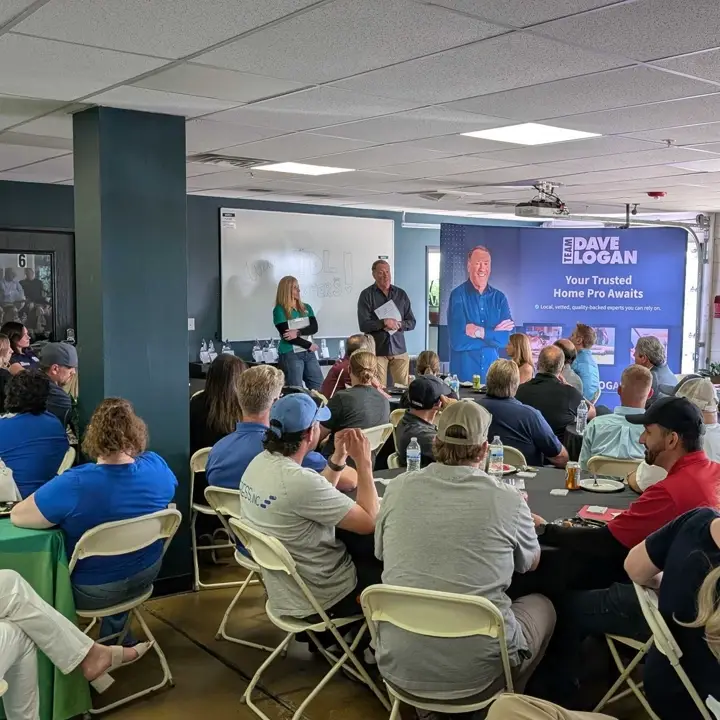
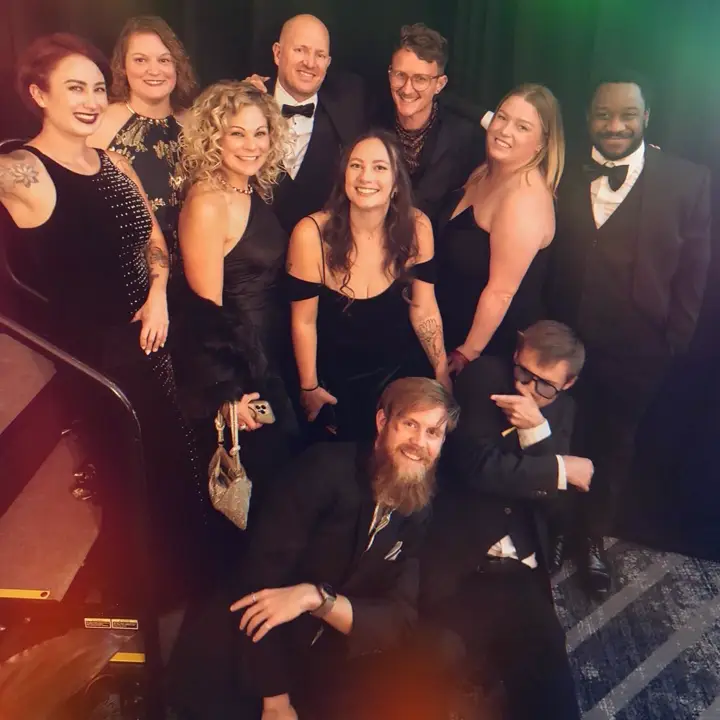
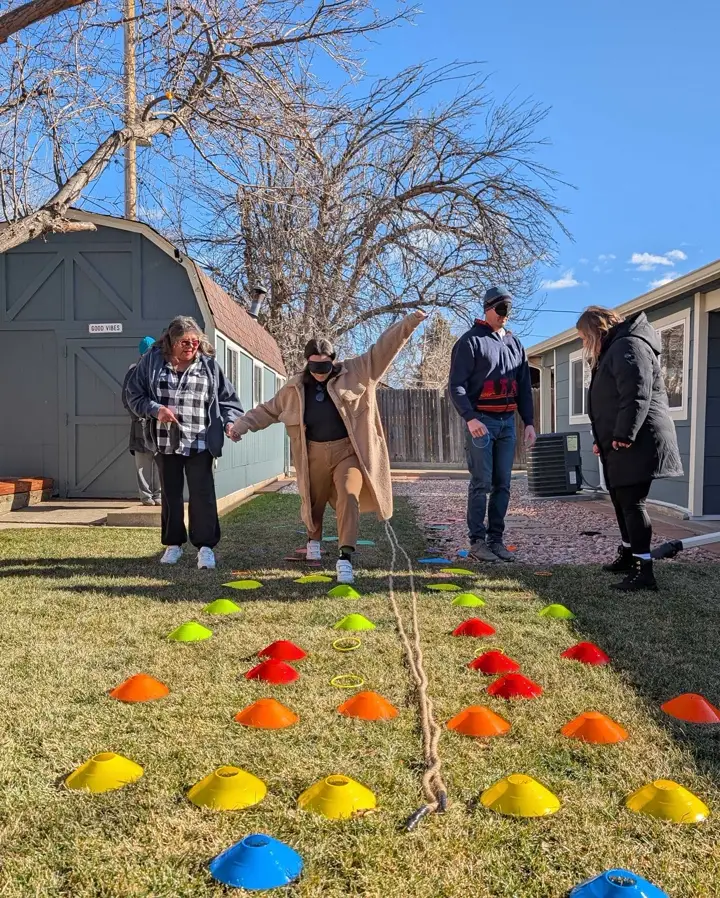
In the past year Paint Denver has turned over nearly its entire team, on purpose. Rob calls the result the best culture in the company's 15-year history. Team meetings that used to feel like pulling teeth are collaborative now. People who used to stay home come into the office to be around each other.
The company is planning to grow, which means more roles to fill. Rob is not worried about that part anymore. "The most important part of that is getting the right people in the door. Having that funnel narrowed to get people that are qualified, and then we can interview more for culture fit, has been huge."